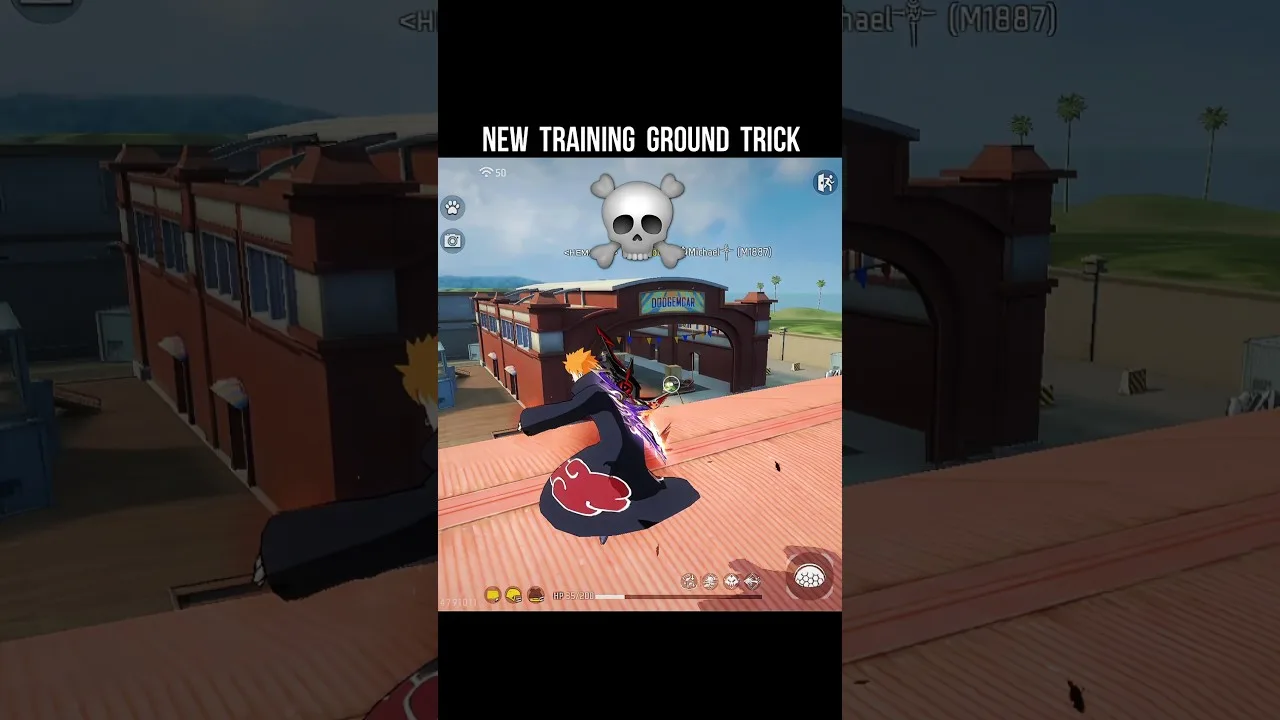
Testing a config in training mode means running the same short set of drills every time you change settings, so each setup is judged by identical tasks. Without that routine, testing becomes vague impressions from random matches, and vague impressions lead to endless rebuilding.
Training mode is ideal for this because it removes pressure. Targets are patient, ammunition is endless, and you can repeat one motion fifty times in the time a real match gives you three attempts. That repetition is what turns a guess about a config into knowledge.
Apply your test values first through Config FF on Android phones using this site, then run the drills below in order. Keep a short note for each drill, even a single word, because notes written in the moment beat memories reconstructed later.
Set Up the Session the Same Way Every Time
Consistency starts before the first shot. Use the same weapon family you play most, the same practice area, and roughly the same time limit for every config test. Changing the test conditions between setups makes the comparison meaningless, however careful the drills themselves are.
Warm up for two minutes with free movement and loose firing before scoring anything. Cold hands make every config look bad, and many setups have been wrongly discarded in the first minute of a session by players who skipped the warm up entirely.
Drill One Movement and Turning
Begin with movement. Run a short loop, make sharp 90 degree turns at marked points, then full 180 degree turns, and notice whether your view lands where you intended or swings past. This drill reads your general sensitivity more honestly than any firing test can.
Repeat each turn several times in both directions. A good setup feels symmetric and predictable. If turns overshoot to one side only, the issue is often your grip or posture that day, not the config, which is exactly the kind of insight a fixed routine gives you.
Drill Two Tracking and Drag Aim
Next, track a moving target smoothly without firing, then with short bursts. Your crosshair should follow without constant catching up or sliding ahead. After tracking, practise drag aim on standing targets at your usual fight distance, counting how many drags finish at head height.
These two drills judge red dot and general values together, and they are where Config FF headshot config tips become practical, because the drag faults described there, stopping low or flying high, are easy to spot and name during this drill.
Drill Three Scope Checks
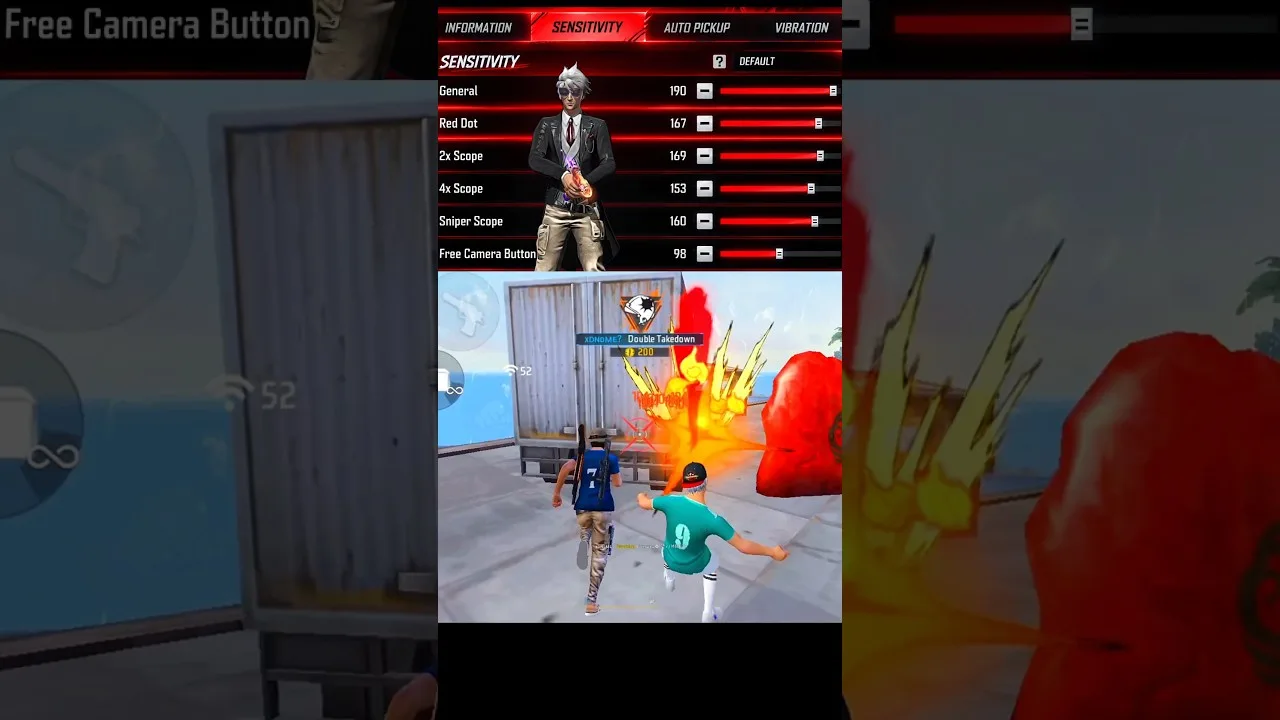
Move to scopes last. At 2x and 4x, practise acquiring a target, making one small correction, and firing. At longer ranges, check whether fine adjustments feel possible or whether the view jumps in coarse steps that skip over the target.
Judge each scope separately and write down a verdict for each. It is common for a config to pass at 2x and fail at 4x, and that specific finding tells you exactly which single value to adjust afterwards instead of rebuilding the whole set.
Decide With Simple Pass Marks
Give each drill a simple mark out of five, and keep a config when the total feels clearly better than your previous setup across the same drills. Small differences within a point or two usually mean the setups are equivalent, and your time is better spent practising than switching.
After the drills, the habits in best ways to use Config FF on Android help you carry a passing config into real matches sensibly, testing under pressure gradually rather than staking an important session on unproven values.
Testing with a partner adds one more layer when you have the chance. A moving human target strafes, crouches, and changes direction in ways practice targets cannot, and a config that tracks a predictable target can still struggle against real movement. Even ten minutes of friendly duels in training adds information that solo drills cannot provide.
Keeping a Testing Log That Stays Useful
A testing log only helps if it stays short. For each config, record the date of your private session note, the pass marks per drill, and one sentence naming the biggest strength and the biggest weakness you found. Three lines per config is enough to compare candidates weeks later without rereading a diary.
Review the log before testing anything new. It shows which values you have already tried, which drills a previous setup failed, and whether your current complaints are new or recurring. That memory turns testing into a cumulative skill: each new config is judged faster and more accurately than the last, because the evidence from every earlier test is sitting in front of you.
One final habit separates thorough testers from casual ones: retest your current, trusted config through the same routine occasionally, even when nothing has changed. That gives you a fresh baseline score for your own hands on a normal day, which makes future comparisons fairer. Without it, you risk comparing a new config on a good day against a memory of your old setup on its very best day. Baselines keep every later verdict honest, and honest verdicts are the entire point of having a routine at all.
Final Thoughts
A fixed training routine turns config testing from mood into method: same setup, warm up, movement, tracking and drags, scopes, then simple marks. Run it every time you change values and you will always know, with evidence, whether a new config deserves to stay.