Most Config FF mistakes are not technical failures. They are habits: copying numbers without context, changing every value in one sitting, skipping the backup, and judging a setup after a single match. Each habit is easy to fix once you can name it, and naming them is the purpose of this guide.
Players rarely make these mistakes because they are careless. They make them because a new config feels exciting and patience feels slow. The good news is that the careful route is not much slower, and it produces setups that actually survive contact with real matches.
Keep the Config FF Android tool open while you read, and compare each mistake below with your own routine honestly. Most readers will recognise at least two habits, and fixing even one of them usually improves consistency within a week.
Copying Values Without Checking Your Device
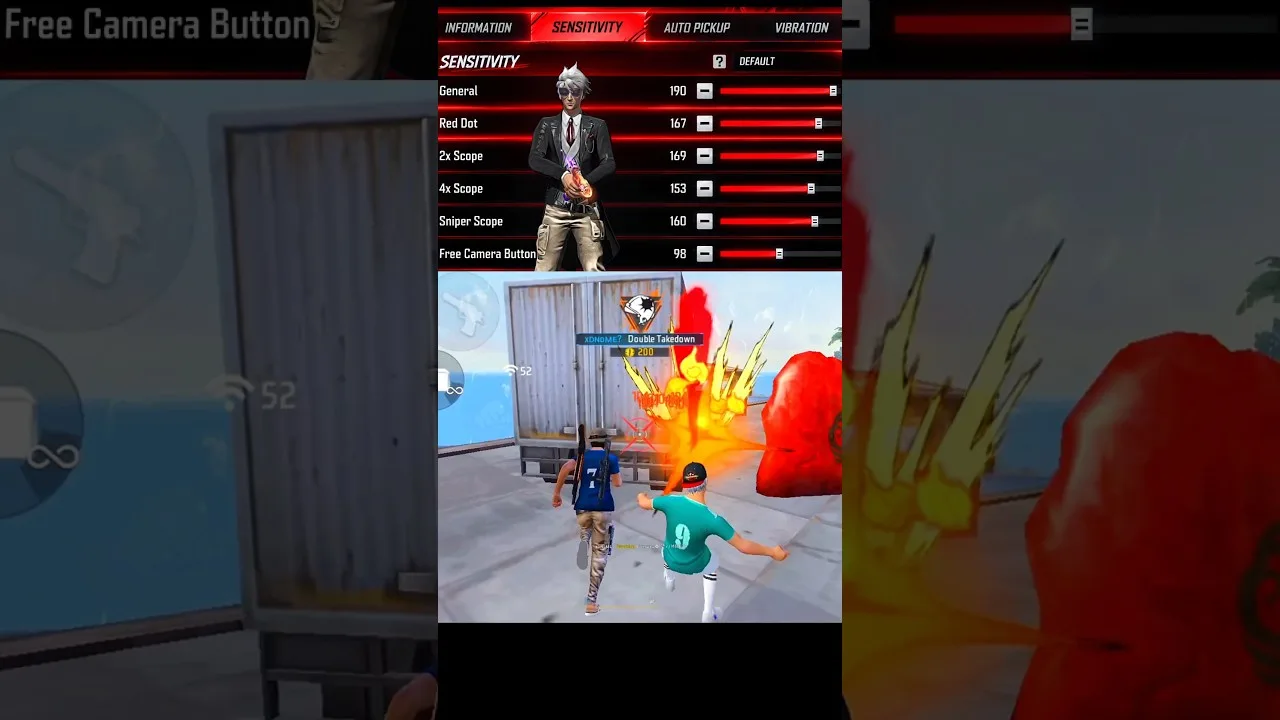
The most common mistake is pasting in a full config built for a different phone. Screen size, refresh rate, and touch response all change how the same numbers feel, so a setup that is famous on a large flagship can feel unusable on a compact budget phone.
Use shared configs as references instead. Borrow the structure, then scale the values to your hardware and test. A config that starts close and gets tuned beats a copied config that starts wrong and gets blamed.
Changing Everything at the Same Time
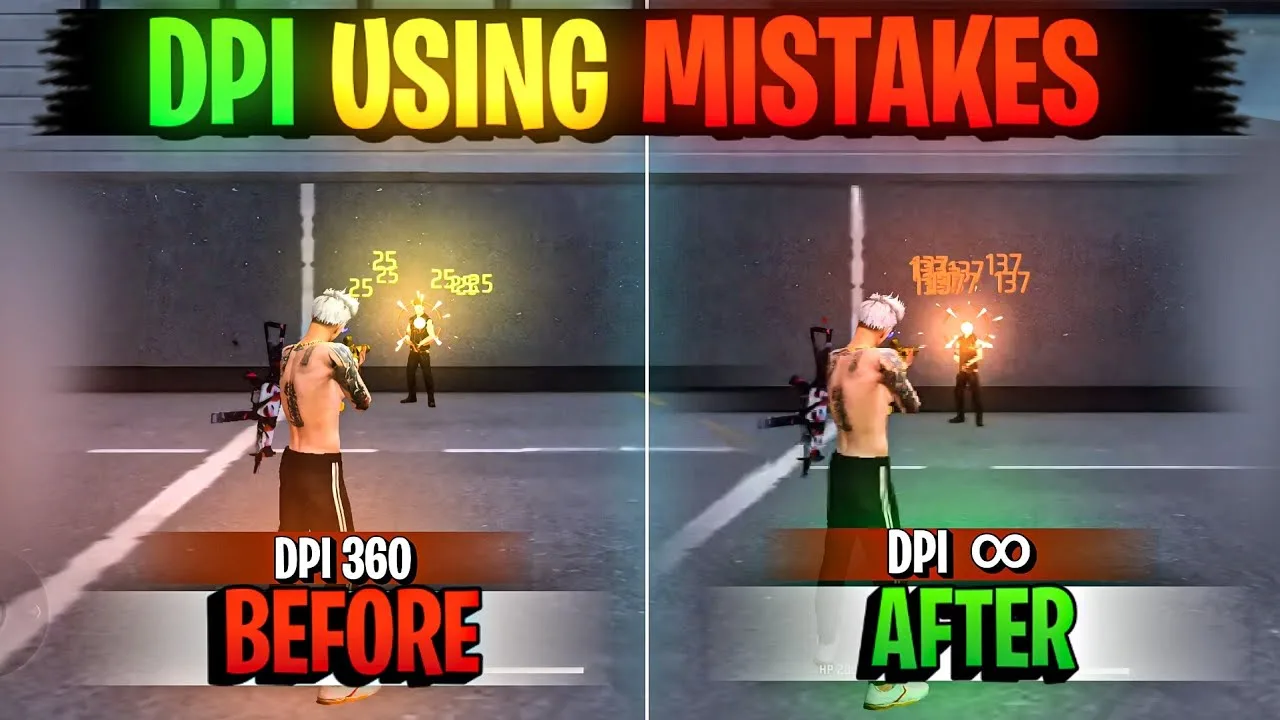
When sensitivity, DPI, controls, and graphics all change in one session, nothing can be learned from the result. If the setup feels better, you do not know why. If it feels worse, you do not know what to undo. Either way the session wasted its information.
Change one group, test it, and keep notes. The method in how to apply a config in Config FF step by step exists precisely to prevent this tangle, by giving each section its own moment and its own test.
Skipping the Backup
Applying a new config over a setup you liked, without recording the old values, turns a reversible experiment into a one way door. If the new setup disappoints, the old one is gone, and frustration usually leads to random retuning that drifts further from what worked.
Screenshots take two minutes. Make them before every experiment, not after a loss teaches you why they mattered. A player with a backup can afford to be adventurous, because every trial has a safe way back.
Judging a Setup Too Quickly
Hands need adaptation time. A setup judged after ten minutes is being judged on unfamiliarity, not quality. Equally, one brilliant match does not prove a config is right. Both snap judgements push players into constant rebuilding, which prevents the consistency they are chasing.
Give a reasonable setup several sessions across different days. Track simple signals: are drags landing at a steadier height, is tracking calmer, are close turns reliable. If the trend is flat or negative after honest time, then change with the evidence in hand.
Ignoring the App Itself When Something Feels Off
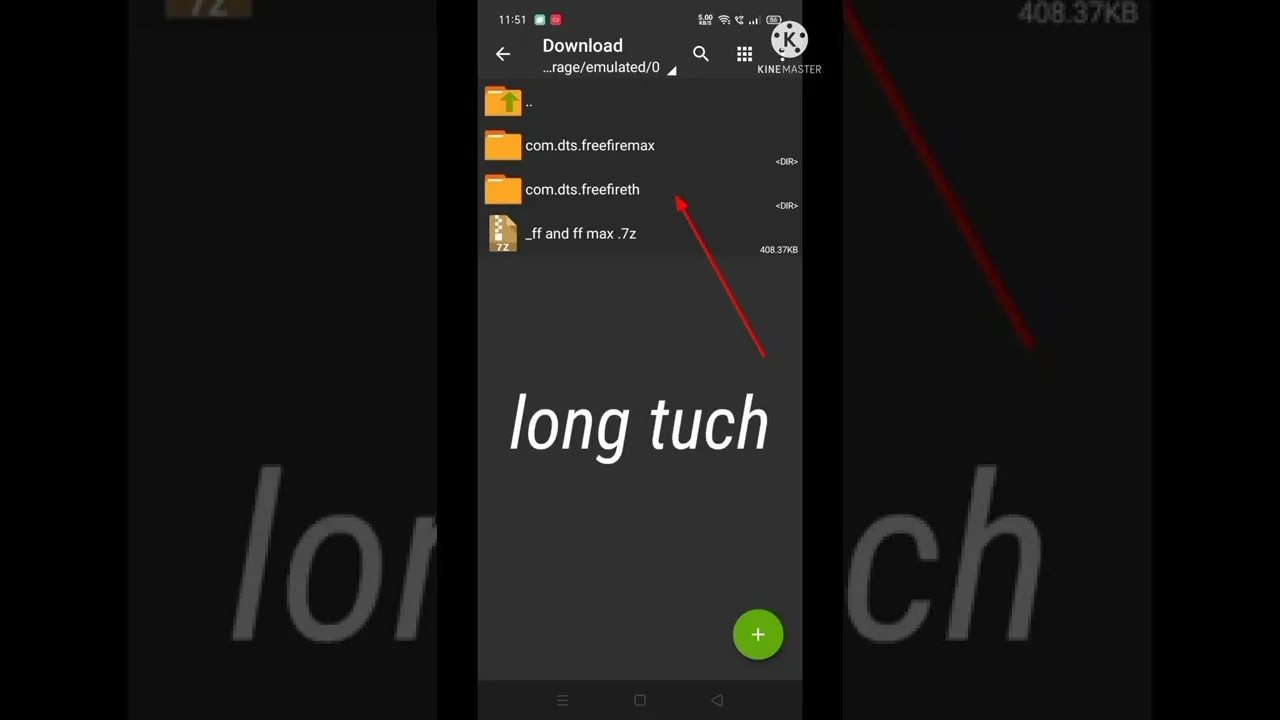
Not every strange session is a settings problem. An outdated build, a permission prompt waiting in the background, or a half finished install can all distort how the app behaves, and players sometimes retune good values to compensate for a fixable fault.
Before rebuilding your setup, run through the Config FF not working fixes and confirm the app is healthy. Checking the tool first protects the settings you have already earned from being sacrificed to a simple glitch.
Another quiet mistake is tuning while tired, frustrated, or immediately after a bad match. In that state, every value feels wrong and changes get bigger and more desperate as the session goes on. The setup that results rarely survives the next calm session. Walking away and testing fresh the next day is a legitimate part of good settings work, not a delay tactic.
Chasing Every New Shared Config
New shared configs appear constantly, and trying each one is its own mistake. Every switch resets your adaptation, so a player who changes weekly never actually learns any setup deeply enough to judge it. The visible result is a permanent feeling that something is slightly off, which then fuels the next switch in an endless loop.
Break the loop with a simple rule: a new config must promise a specific improvement you currently lack, such as calmer 4x control, before it earns a test. Vague promises of a better feel are not enough. With that bar in place, most releases pass you by harmlessly, and the few you test get the fair, patient trial they need.
The encouraging part is that none of these mistakes requires talent or money to fix. Each one is a small procedural change: record before you change, change less at once, wait longer before judging, and check the app before blaming the numbers. Players who adopt those four procedures usually describe the difference as their settings finally staying put, which is really their habits finally supporting the setups they build. Start with whichever mistake you recognised most strongly in your own routine, fix that one first, and let the improvement encourage the rest.
Final Thoughts
The common Config FF mistakes all share one root: rushing. Check your device context, change one group at a time, keep backups, judge over days, and verify the app is healthy before blaming values. Slow down in those five places and your setups will start lasting.